Ancient Origins: Smoke as a Consecrated Medium
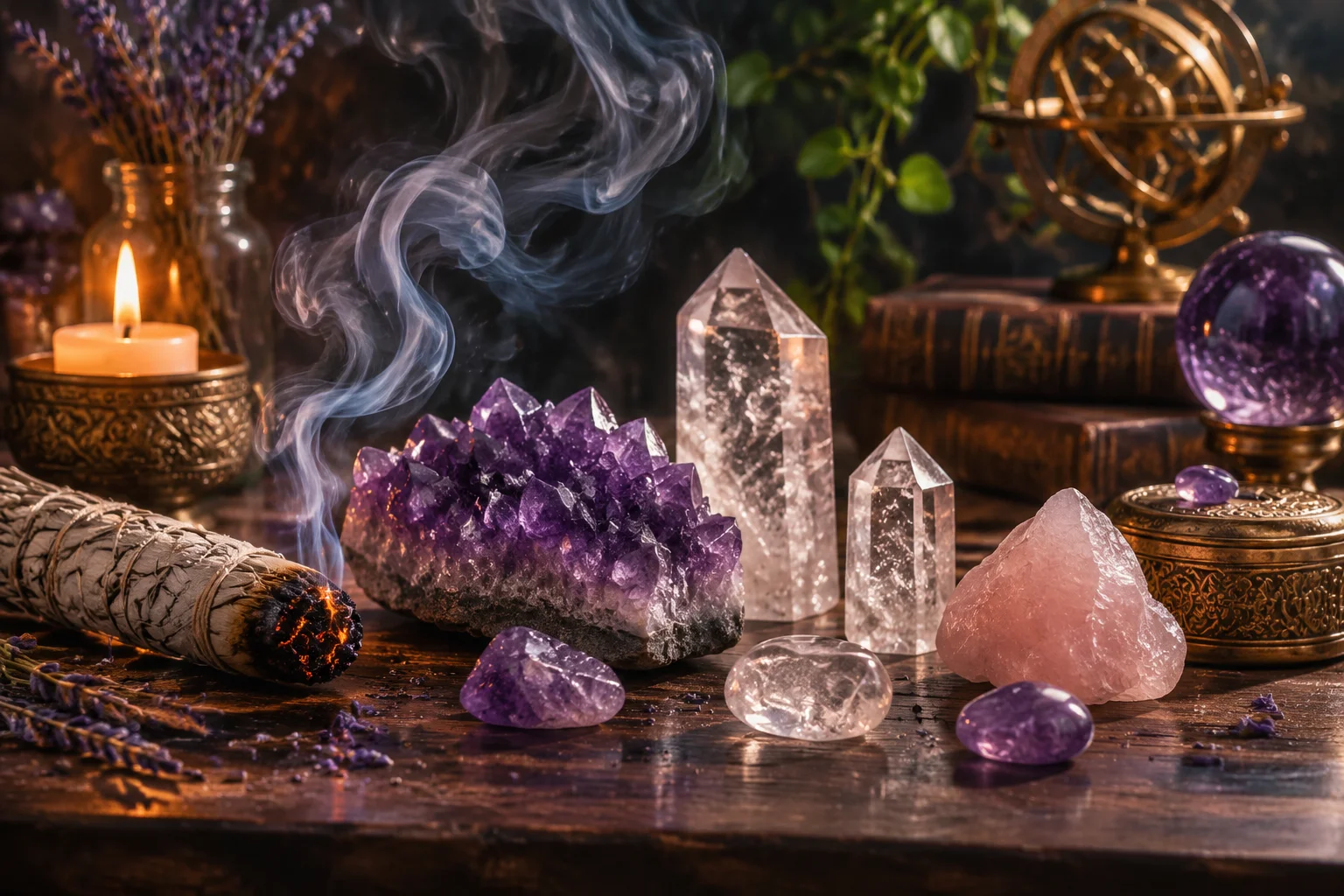
Across virtually every historical culture, smoke has functioned as a physical solvent and spiritual bridge between human spaces and the cosmos. Indigenous peoples across the Americas developed intricate smudging ceremonies utilizing white sage, sweetgrass, and cedar for communal prayer, healing, and honoring ancestors. Concurrently, temple keepers across ancient Egypt burned kyphi and frankincense to purify sanctuaries, while Greco-Roman households burned bay laurel and juniper to repel miasma. The combustible transformation of botanical material liberates fragrant essential oils, clearing stale air and inducing focused contemplative states.
Modern practitioners benefit from distinguishing closed cultural ceremonies from universal smoke cleansing traditions. Indigenous smudging ceremonies carry specific tribal cosmologies, protocols, and ancestral rights that should not be appropriated or trivialized. In contrast, ancestral European traditions like Gaelic saining, Baltic herbal fumigations, and Mediterranean olive-leaf burnings provide rich, open lineages for anyone seeking authentic energetic hygiene rooted in accessible botanicals.
Always create physical ventilation by cracking a window open during cleansing rites, allowing dislodged stagnancy and dense smoke to flow out freely.
Botanical Profiles: Selecting the Appropriate Cleansing Herb
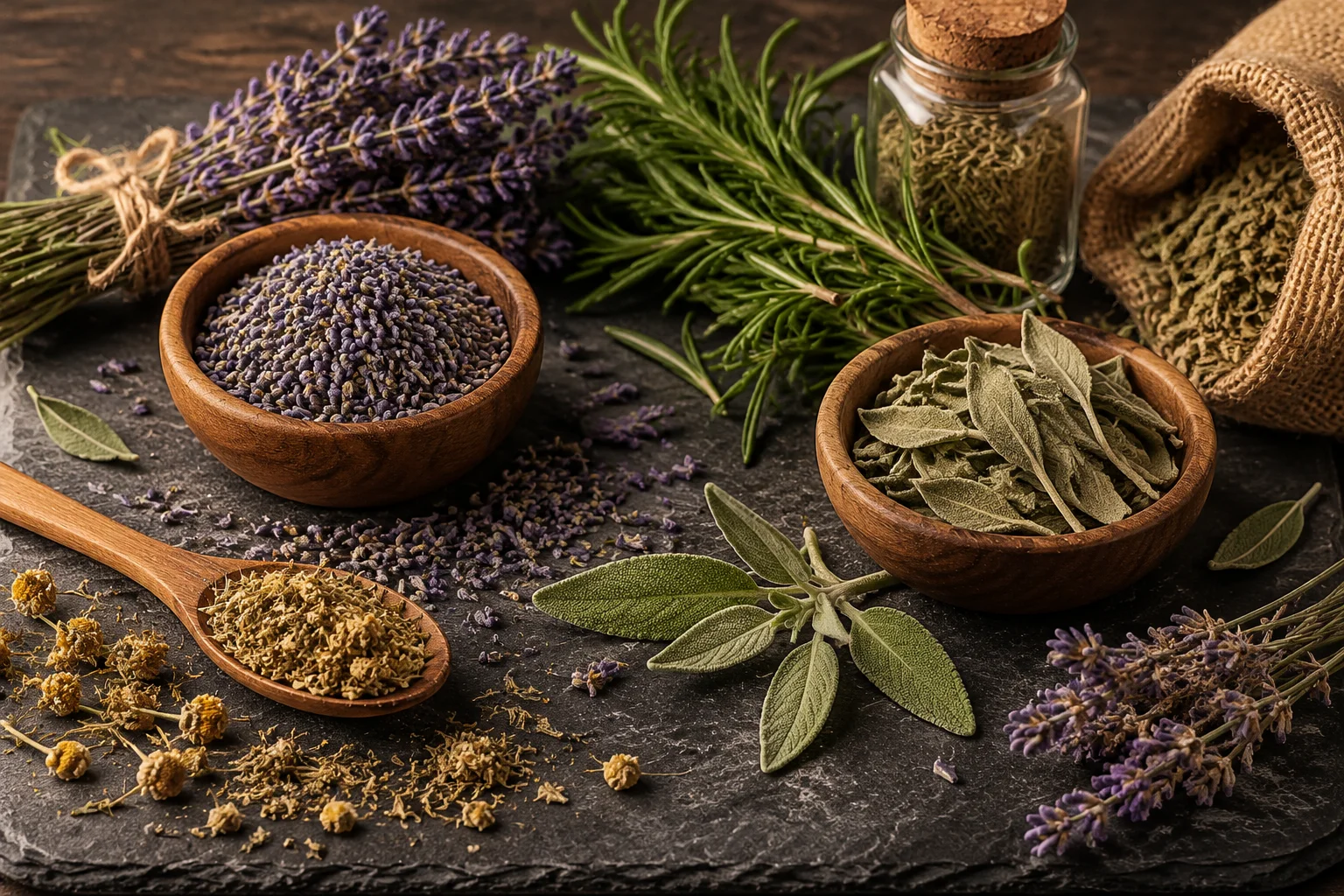
Different dried botanicals possess distinct chemical constituents and subtle vibrational effects. Common garden sage (Salvia officinalis) offers strong purifying qualities and clears domestic tension without straining wild desert ecosystems. Garden rosemary serves as a vigorous mental stimulant, driving out sluggish negativity following disputes or fatigue. Lavender infuses refreshed areas with calming peace, fostering restful slumber and soothing emotional distress when gently smoldered.
Sweetgrass, frequently braided in three strands honoring harmony between mind, body, and spirit, is lit after clearing herbs to usher in kindness, abundance, and positive spirits. Cedar sprays produce an earthy, forest aroma renowned for establishing firm energetic boundaries around personal thresholds and grounding chaotic ritual environments.
Essential Sequence
- 1 Physically clean and declutter the room before burning herbs, ensuring clear pathways for airflow and intentional focus.
- 2 Light the herbal bundle at a 45-degree angle until it catches flame, then gently blow out fire to sustain an even, aromatic ember.
- 3 Guide the drifting smoke around perimeter walls, dark corners, and doorways using deliberate, rhythmic sweeps of your hand or a feather fan.
Ethical Stewardship and Safe Fumigation Practices
Rising global demand has led to rampant poaching and unsustainable harvesting of wild white sage (Salvia apiana) and Palo Santo (Bursera graveolens). Ethical practitioners honor the earth by purchasing certified organic, farm-grown specimens or cultivating their own regional alternatives like garden mugwort, pine needles, thyme, and mint. Handcrafting bespoke smudge sticks with homegrown herbs tied with natural cotton twine fosters a deeply reciprocal bond with local flora.
Fire discipline remains paramount throughout every smoke cleansing session. Always hold a heavy abalone shell, ceramic dish, or cast-iron cauldron underneath active bundles to catch falling cinders. Furthermore, keep smoke light when companion animals reside in the home, particularly cats, birds, and small mammals who possess sensitive respiratory tracts. Never leave smoldering bundles unattended, and gently extinguish embers in dry sand or salt when the ritual concludes.